Page unavailable in version Beta

Mobility

Artificial intelligence and edge computing for road traffic monitoring

Challenge and Context

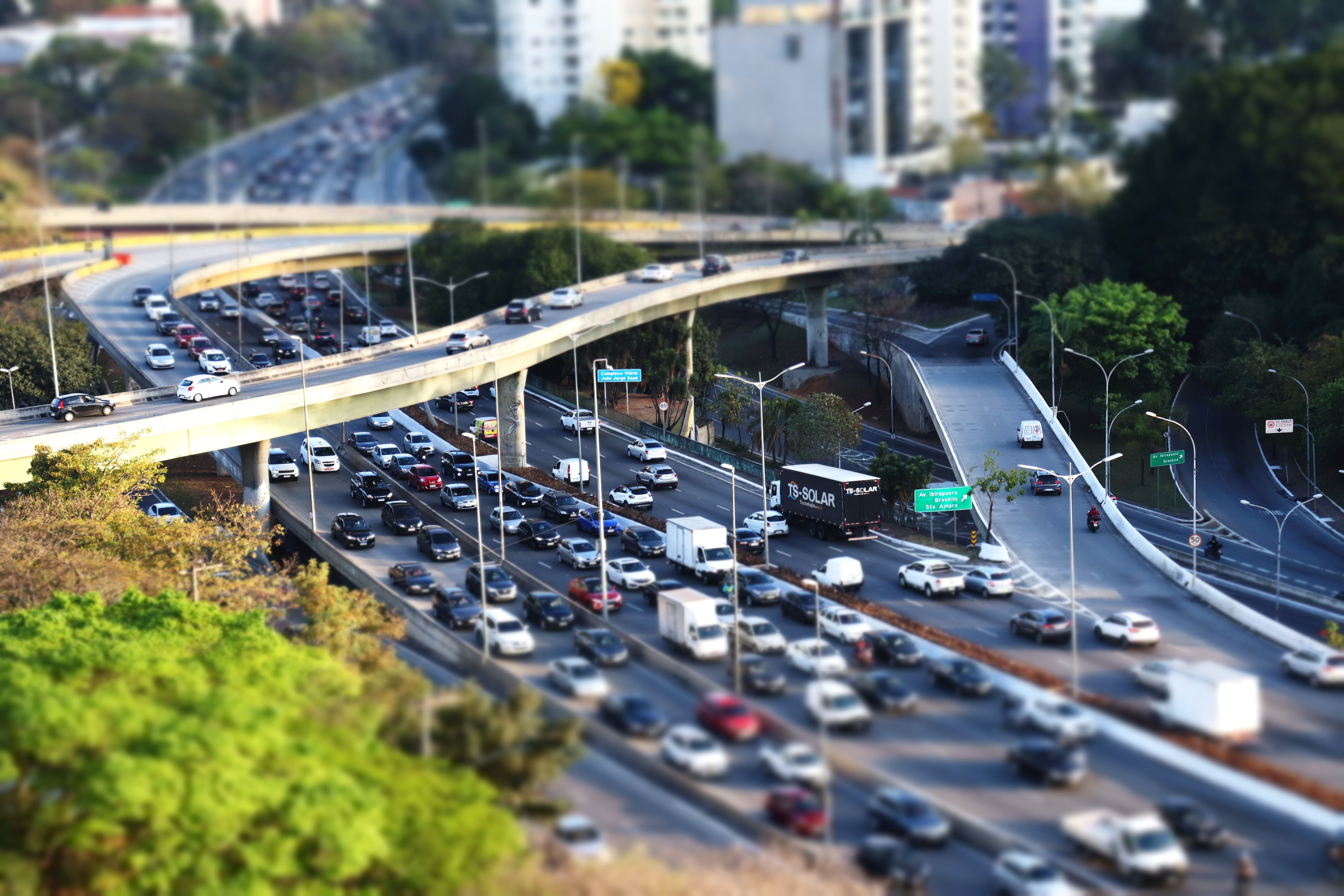
Monitoring road infrastructure requires the ability to interpret large volumes of information and identify situations requiring attention. Detecting potentially dangerous manoeuvres and counting vehicles are examples of applications where artificial intelligence can complement conventional monitoring systems.

Developing such solutions involves more than designing AI algorithms. They need to run on specialised hardware, integrate the resulting data with other platforms and be assessed under conditions representative of their intended use. A company specialising in AI and computer vision turned to the DNS Testbed to develop, integrate and test road monitoring solutions.

The solution

With support from the DNS Testbed, four pilot products explored different aspects of intelligent road infrastructure monitoring. The work involved adapting AI algorithms to edge computing devices, developing vehicle detection and counting mechanisms, integrating Internet of Things (IoT) platforms and creating a telemetry solution to monitor hardware performance.

The approach addressed both the algorithms' ability to interpret images and the technological requirements for integrating them into wider monitoring systems.

How does it work?

Detection of reversing vehicles

Computer vision algorithms analyse video footage to identify vehicles carrying out reversing manoeuvres. This capability can support the identification of potentially hazardous situations on road infrastructure.

Automated vehicle counting

AI detects and counts vehicles in video footage, generating information relevant to traffic flow analysis and road traffic monitoring.

Integration with IoT platforms

Integrating AI algorithms with centralised IoT platforms enables data generated by video analytics systems to be made available to other applications and monitoring systems.

Telemetry and hardware monitoring

The telemetry solution monitors the performance of devices running AI algorithms. The information collected supports hardware performance assessment and helps identify opportunities for optimisation.

Edge computing devices were used to test the execution of algorithms close to the data source, exploring local information processing capabilities.

Benefits and results

Tests carried out through the DNS Testbed assessed algorithm execution on specialised hardware, integration between technological components and the operation of the solutions in simulated scenarios. The pilot products demonstrated complementary capabilities:

  • Automated vehicle detection and counting using computer vision.
  • Image processing close to the data source through edge computing.
  • Integration of generated information with IoT platforms.
  • Monitoring the performance of AI devices.
  • Assessment of solutions in controlled environments before use in real operational conditions.

These capabilities provide a foundation for road monitoring systems that can supply useful information for traffic management and the identification of hazardous situations.

The DNS Testbed's contribution

Through the DNS Testbed, Ubiwhere provided edge computing infrastructure, experimentation environments and specialist technical expertise to support development and validation.

The work included adapting and reimplementing AI algorithms on specialised hardware, assessing software and hardware compatibility, and supporting integration with IoT platforms.

The Testbed infrastructure also made it possible to test algorithms in simulated scenarios with varying traffic conditions and validate the telemetry solution using real data in controlled environments.

This collaboration contributed to advancing the technological maturity of the pilot products, assessing their technical feasibility and preparing them for subsequent operational validation.

Potential applications

The technologies explored could be applied to motorways, urban road networks, junctions and other transport infrastructure. Computer vision, local processing and data integration can help road operators and infrastructure managers monitor traffic and identify situations requiring attention.

Beyond mobility, the approach could provide a foundation for other AI applications requiring video processing, IoT integration and edge device performance monitoring.

Get to know our services

Discover more success stories

From tourism data to business intelligence: integration, analysis and information sharing

From tourism data to business intelligence: integration, analysis and information sharing

The DNS Testbed supported three pilot products for centralising, analysing and sharing tourism data, combining a data lake, business intelligence tools and an open data portal.

Computer vision and data analytics for urban parking management

Computer vision and data analytics for urban parking management

The DNS Testbed supported the development of four pilot products combining computer vision, edge computing and data analytics for urban parking monitoring and management.

Secure battery monitoring through IoT

Secure battery monitoring through IoT

The DNS Testbed supported the development and validation of a battery monitoring solution integrating IoT technologies and authentication mechanisms to protect access to device-generated data.

From tourism operations to reusable digital solutions

From tourism operations to reusable digital solutions

The DNS Testbed supported the transformation of nine tourism management tools into white-label digital solutions, promoting technology reuse across different operational contexts.