Page unavailable in version Beta

Smart Cities

Computer vision and data analytics for urban parking management

Challenge and Context

Urban parking management depends on information about space usage, occupancy periods and infrastructure usage patterns. Manual data collection and separate monitoring systems can make these operations difficult to track. Video sensors and AI algorithms offer a way to automate data collection and interpretation, complementing conventional parking management systems.

A technology development company approached the DNS Testbed to explore applications ranging from automated vehicle and people detection to data analytics and visualisation tools.

The solution

With support from the DNS Testbed, four pilot products addressed different urban parking monitoring and management needs. Development involved using computer vision algorithms to interpret images, integrating edge computing to process information close to its source and creating visualisation tools to support infrastructure management.

Although they address distinct challenges, the four pilot products explore complementary detection, monitoring and data analytics capabilities.

How does it work?

Automated parking occupancy monitoring

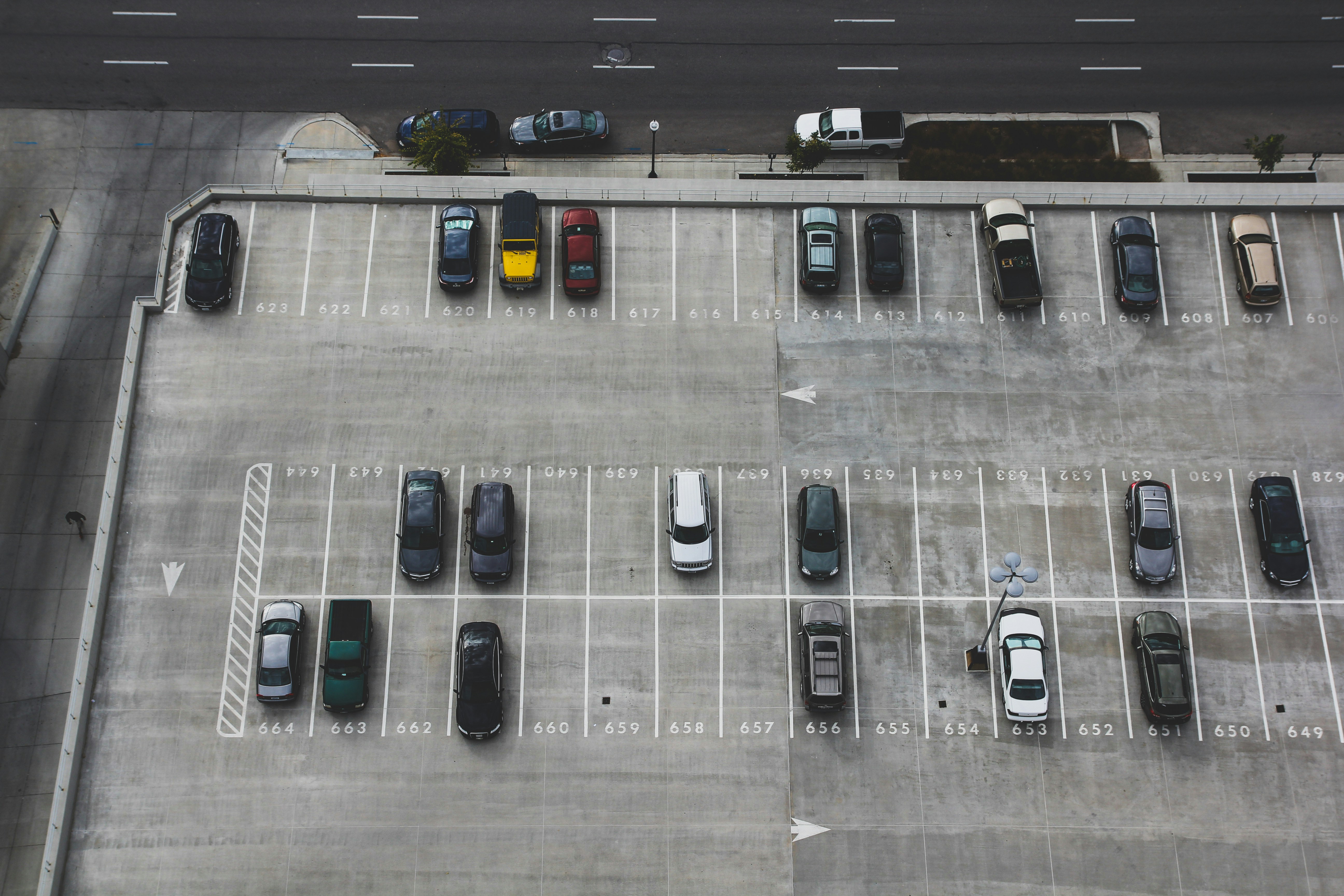
Video sensors and object detection algorithms identify occupied and available parking spaces. Images are processed using edge computing devices, generating occupancy information that can be made available to management platforms.

Automated people counting

The second solution uses computer vision to identify and count people present in car parks. Synthetic datasets were used to train and test algorithms in simulated conditions, allowing technical feasibility to be assessed before application in operational contexts.

Vehicle parking duration monitoring

The third pilot uses computer vision algorithms to track vehicles in parking spaces and calculate the length of their stay. This information can form the basis for automating parking charge calculations according to recorded occupancy periods.

Real-time parking data visualisation

The fourth solution integrates data from parking sensors and CCTV cameras into a data visualisation platform. Interactive dashboards, charts and customised visualisations present occupancy information, helping users interpret data and analyse parking operations.
Benefits and results

The pilot products demonstrate different applications of artificial intelligence and data analytics to specific urban parking management needs. Their main capabilities include:

  • Automated detection of occupied and available parking spaces.
  • People counting using computer vision algorithms.
  • Monitoring how long vehicles remain parked.
  • Image processing close to the data source through edge computing.
  • Integration of information from different monitoring devices.
  • Data visualisation to support analysis of infrastructure usage.

Tests through the DNS Testbed assessed algorithm operation, explored technology integration and tested the presentation of data through visualisation tools. The work created a technological foundation for more informed and automated parking management solutions.

The DNS Testbed's contribution

Through the DNS Testbed, Ubiwhere provided technology infrastructure, experimentation environments and specialist expertise to support the four pilot products.

The work included identifying requirements, selecting datasets, developing and training computer vision algorithms and conducting controlled tests. Edge computing infrastructure enabled exploration of algorithm execution close to information sources, whilst cloud resources supported development and testing of the data visualisation solution.

The Testbed team also helped define the technological architecture, select software tools and integrate information from sensors and cameras. This combination of expertise and infrastructure helped advance the maturity of the pilot products and assess their feasibility for urban management applications.

Potential applications

The solutions could be applied in public and private car parks, transport infrastructure and other urban spaces where occupancy and usage patterns need to be monitored. The information generated can help municipalities, parking operators and infrastructure managers analyse space usage, plan resources and explore new management models.

Beyond urban parking, the computer vision, local processing and visualisation capabilities could be adapted to other infrastructure monitoring and space management challenges.

Get to know our services

Discover more success stories

From tourism operations to reusable digital solutions

From tourism operations to reusable digital solutions

The DNS Testbed supported the transformation of nine tourism management tools into white-label digital solutions, promoting technology reuse across different operational contexts.

Secure battery monitoring through IoT

Secure battery monitoring through IoT

The DNS Testbed supported the development and validation of a battery monitoring solution integrating IoT technologies and authentication mechanisms to protect access to device-generated data.

Artificial intelligence and edge computing for road traffic monitoring

Artificial intelligence and edge computing for road traffic monitoring

The DNS Testbed supported the development and validation of four pilot products combining artificial intelligence, computer vision and edge computing for road traffic monitoring.

From tourism data to business intelligence: integration, analysis and information sharing

From tourism data to business intelligence: integration, analysis and information sharing

The DNS Testbed supported three pilot products for centralising, analysing and sharing tourism data, combining a data lake, business intelligence tools and an open data portal.