Page unavailable in version Beta

Mobility

Interoperable management of electric vehicle charging infrastructure

Challenge and Context

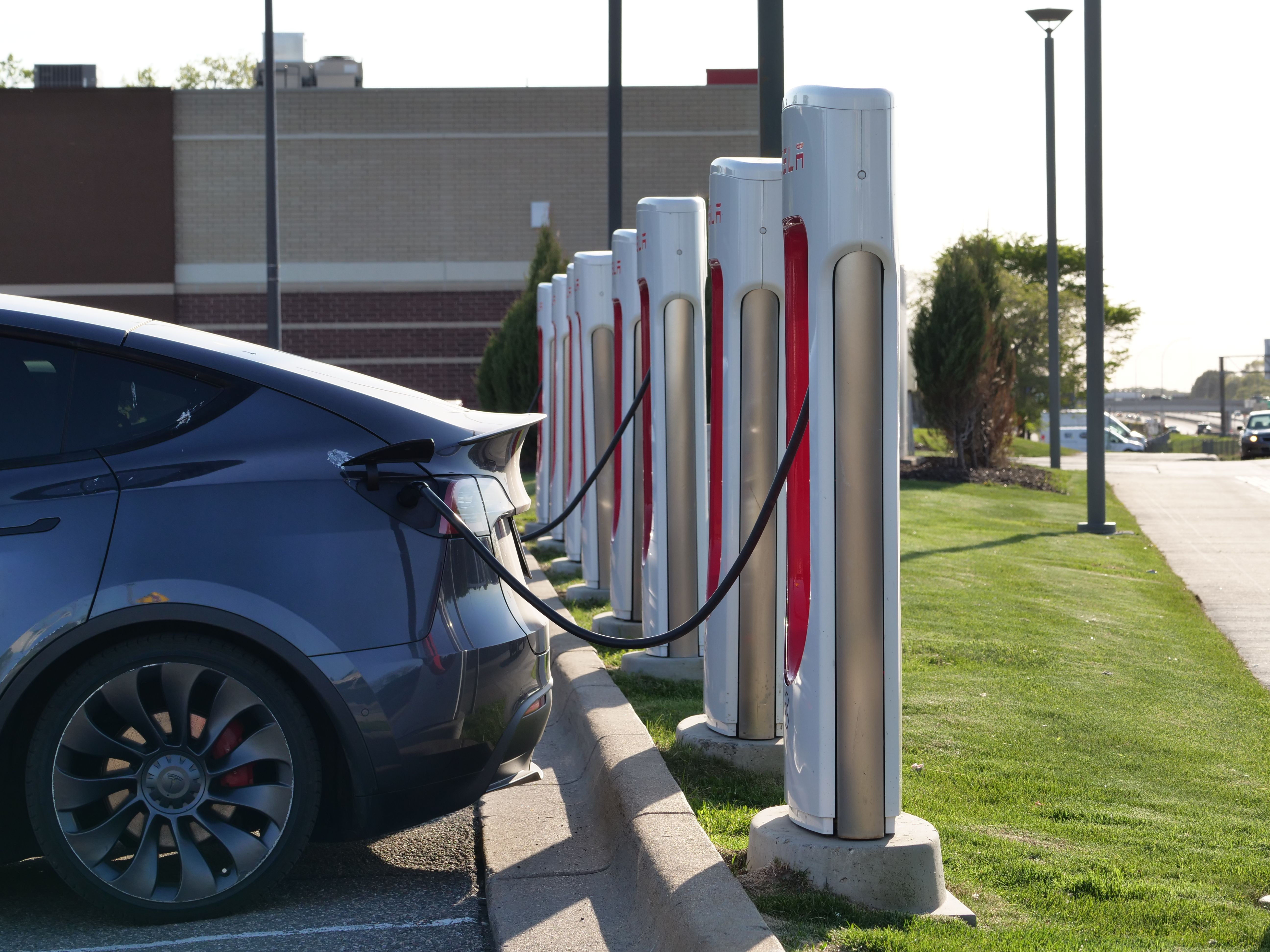
Managing EV charging infrastructure involves different technological needs. Operators need to monitor equipment status, manage its operation and integrate information with other systems. Drivers need to identify charging points, start sessions and consult usage information.

Communication between physical equipment, management platforms and digital applications presents an integration challenge, particularly when different components need to be used and solutions adapted to new contexts.

An urban infrastructure solutions developer identified the need for products addressing these two aspects of electric mobility. It approached the DNS Testbed for specialist expertise and infrastructure to develop, integrate and test the technologies.

The solution

Two complementary pilot products were worked on with DNS Testbed support for digital management of EV charging infrastructure.

The first involved a web and mobile platform allowing drivers to interact with charging points, manage sessions and consult usage information. The second focused on remote monitoring and control, using the Open Charge Point Protocol (OCPP) to establish communication between chargers and a central management platform.

The approach also explored standardised data models and APIs to facilitate information integration with other systems.

How does it work?

Communication with charging equipment

The monitoring and remote control solution uses OCPP, an open communication protocol between EV charging points and central management systems. An OCPP client installed on the equipment and a server hosted on DNS Testbed infrastructure enable collection of charger status information and remote control mechanisms.

Centralised monitoring and management

Equipment data is collected and processed by a central platform, enabling monitoring of charging infrastructure operation. A REST API facilitates integration with other management systems, creating conditions for complementary energy and operational management features.

Driver interaction

The web and mobile platform allows users to identify charging points and interact with equipment through a digital interface. Scanning a QR code identifies the charging point; the application provides features to start, stop or suspend sessions, monitor progress and consult charging history.

Data standardisation and management

Smart Data Models structure charging operation information using standardised data models. A PostgreSQL relational database stores data and supports management and consultation of vehicle and charging session information.

Benefits and results

The pilot products explored an interoperable approach to EV charging infrastructure management, combining equipment communication and digital services for drivers. Their main capabilities and advantages include:

  • Centralised monitoring of charging point status.
  • Equipment communication and remote control using an open protocol.
  • Data integration with external platforms through APIs.
  • Digital management of charging sessions.
  • Consultation of charging progress and history.
  • Standardised data models to facilitate interoperability.

Development and experimentation enabled testing of equipment-to-management-system communication and integration of user interaction features. The solutions were demonstrated in real-world contexts, allowing the technologies to be assessed for electric mobility infrastructure management.

The DNS Testbed's contribution

Through the DNS Testbed, Ubiwhere provided technology infrastructure and specialist expertise for development, integration and validation. The work included identifying requirements, defining solution architectures and integrating communication mechanisms between charging equipment and digital platforms.

The infrastructure supported OCPP server hosting and tests to assess communication between chargers and the central management system. The team also helped develop the driver platform architecture and integrate it with the remote operation back office.

Open protocols, APIs and standardised data models were important components of the work, exploring interoperability between technological systems. The collaboration advanced the pilot products' technological maturity from concept and architecture definition to experimentation and demonstration.

Potential applications

The solutions could be applied to public and private EV charging networks, car parks, business premises and other locations integrating electric mobility services. Open protocols and data integration mechanisms can facilitate links between charging equipment and wider urban and energy management systems.

Beyond electric mobility, the case demonstrates the relevance of interoperability in connected infrastructure where physical equipment, management platforms and digital applications need to communicate.

Get to know our services

Discover more success stories

Computer vision for non-intrusive aquaculture monitoring

Computer vision for non-intrusive aquaculture monitoring

The DNS Testbed supported a solution combining computer vision, artificial intelligence and edge computing to automate shrimp counting and monitoring in aquaculture tanks without direct handling.

Computer vision and data analytics for urban parking management

Computer vision and data analytics for urban parking management

The DNS Testbed supported the development of four pilot products combining computer vision, edge computing and data analytics for urban parking monitoring and management.

From tourism operations to reusable digital solutions

From tourism operations to reusable digital solutions

The DNS Testbed supported the transformation of nine tourism management tools into white-label digital solutions, promoting technology reuse across different operational contexts.

Secure battery monitoring through IoT

Secure battery monitoring through IoT

The DNS Testbed supported the development and validation of a battery monitoring solution integrating IoT technologies and authentication mechanisms to protect access to device-generated data.

From tourism data to business intelligence: integration, analysis and information sharing

From tourism data to business intelligence: integration, analysis and information sharing

The DNS Testbed supported three pilot products for centralising, analysing and sharing tourism data, combining a data lake, business intelligence tools and an open data portal.

Real-time public transport information: from data to passengers

Real-time public transport information: from data to passengers

The DNS Testbed supported three pilot products for real-time public transport information, integrating transport data with digital kiosks, boarding bay screens and information displays.

Automation and remote access control at bus terminals

Automation and remote access control at bus terminals

The DNS Testbed supported the development and validation of a bus terminal access management solution integrating automatic number plate recognition, barrier automation and remote equipment control.

Artificial intelligence and edge computing for road traffic monitoring

Artificial intelligence and edge computing for road traffic monitoring

The DNS Testbed supported the development and validation of four pilot products combining artificial intelligence, computer vision and edge computing for road traffic monitoring.

Data-driven energy monitoring for urban infrastructure

Data-driven energy monitoring for urban infrastructure

The DNS Testbed supported a remote energy monitoring solution combining connected device data collection with interactive dashboards for analysing urban infrastructure energy consumption.