Page unavailable in version Beta

Mobility

Real-time public transport information: from data to passengers

Challenge and Context

Bus terminals bring together information from different operators, services and transport management systems every day. Delivering clear, up-to-date information to passengers requires coordination between data sources and display equipment.

Static or manually updated information systems have limitations when timetables change, boarding bays are reassigned or other events affect transport operations. An electronics systems developer identified the need to improve its passenger information solutions with real-time updates and new data integration and management functionality.

It approached the DNS Testbed to develop and test software adapted to different equipment and information needs at bus terminals.

The solution

Three pilot products were developed with DNS Testbed support to modernise public transport information systems. The work covered a web application for departures and arrivals, real-time communication mechanisms for boarding bay screens, and a system for managing and displaying information on digital panels.

The solutions explore APIs, data communication protocols, information management systems and passenger-facing interfaces, addressing different stages from transport data integration to presentation on digital equipment.

How does it work?

Digital kiosks for departures and arrivals

The first pilot is a responsive web application presenting up-to-date bus departure and arrival information at a terminal. Data is obtained through a fleet management API and presented through an interface adaptable to kiosks, televisions and information displays. Automatic updates provide passengers with information relevant to journey planning.

Real-time information at boarding bays

The second pilot focuses on communication between information systems and screens installed at boarding bays. MQTT transmits updated data to equipment, supported by a broker configured in the DNS Testbed data centre. MQTT clients integrated into the screens receive and process information, automatically updating displayed content.

Management and presentation of information on digital displays

The third pilot manages and displays information on bus terminal operations, including timetables, departures, arrivals, destinations, operators, bus numbers and boarding bays.

Development included a back end, REST APIs and a back-office application for managing display content. WebSocket communication mechanisms were also explored to support data updates. The display interface includes visual configuration features such as brightness and contrast adjustments to suit viewing conditions.

Benefits and results

The pilot products explored different ways of delivering up-to-date information to passengers, combining data integration and automated communication between systems and equipment. Key capabilities include:

  • Integration of information from transport management systems.
  • Automatic updates to departure, arrival and boarding information.
  • Presentation on different types of digital equipment.
  • Centralised management of information display content.
  • Communication protocols supporting real-time data transmission.
  • Reduced reliance on manual information updates.

Experimentation included integration tests, interface assessment and real-world demonstrations at a bus transport coordination centre. The work assessed the solutions under representative conditions and demonstrated the application of the technologies to passenger information.

The DNS Testbed's contribution

Through the DNS Testbed, Ubiwhere provided experimentation infrastructure and specialist expertise in software development, systems integration and data communication.

The team helped identify requirements, define the architecture and develop components for integration between transport systems and information equipment. The data centre supported configuration of communication services, including an MQTT broker, enabling data transmission testing between components.

The work also involved developing and integrating REST APIs, WebSocket communication mechanisms and digital interfaces adapted to information consultation and management. Experimentation environments supported integration tests and preparation for real-world demonstrations, advancing the pilot products' maturity and turning concepts into functional public transport information solutions.

Potential applications

The solutions could be applied at bus terminals, public transport interchanges and other infrastructure requiring up-to-date passenger information. Integrating transport management systems with information equipment can help operators modernise services and facilitate access to journey planning information.

Beyond transport, the data integration, real-time communication and digital content management capabilities could be adapted to other contexts requiring dynamic information across different equipment and interfaces.

Get to know our services

Discover more success stories

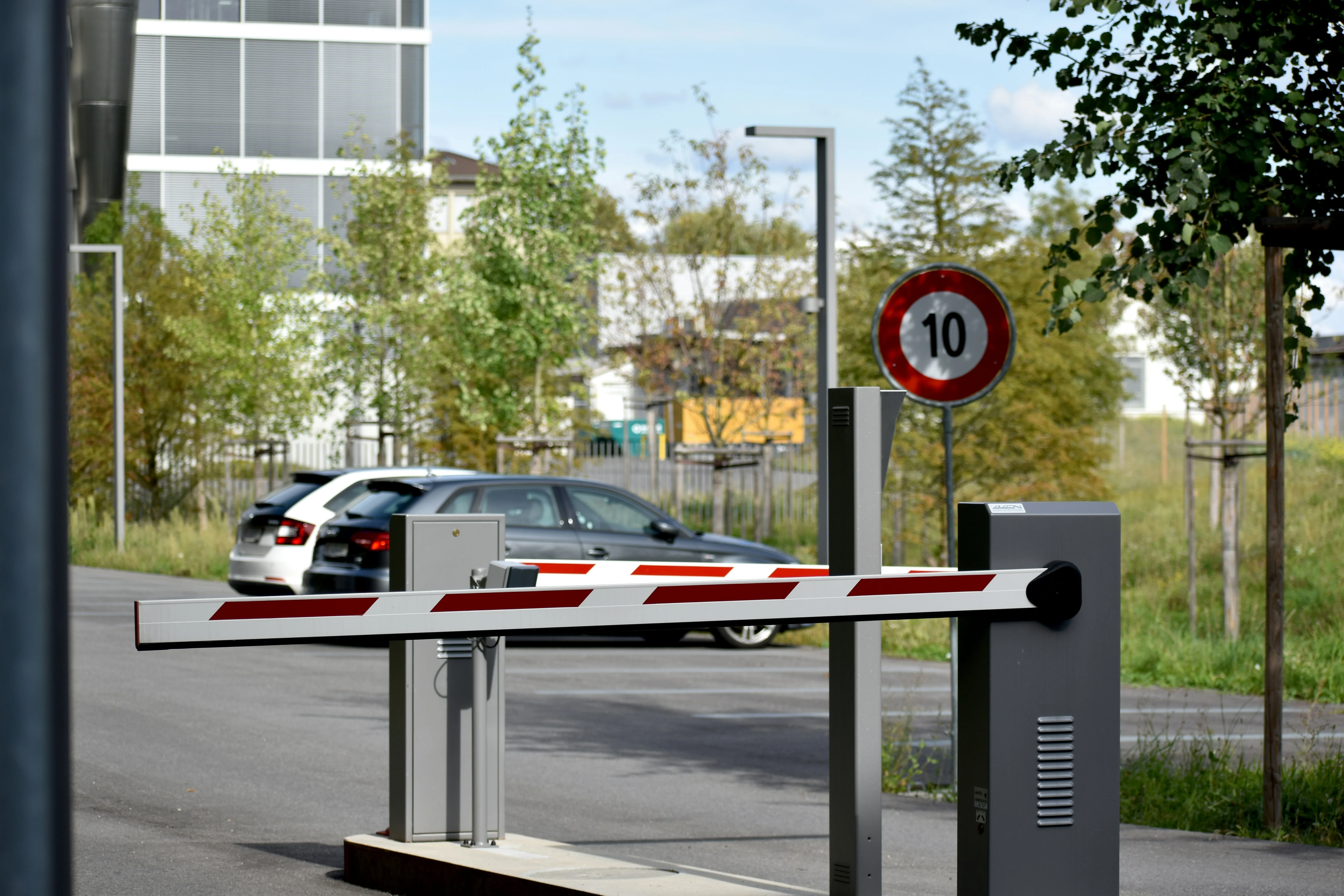
Automation and remote access control at bus terminals

Automation and remote access control at bus terminals

The DNS Testbed supported the development and validation of a bus terminal access management solution integrating automatic number plate recognition, barrier automation and remote equipment control.

Interoperable management of electric vehicle charging infrastructure

Interoperable management of electric vehicle charging infrastructure

The DNS Testbed supported two pilot products for EV charging infrastructure management, combining open-protocol communication, remote equipment control and digital charging session management.

From tourism data to business intelligence: integration, analysis and information sharing

From tourism data to business intelligence: integration, analysis and information sharing

The DNS Testbed supported three pilot products for centralising, analysing and sharing tourism data, combining a data lake, business intelligence tools and an open data portal.

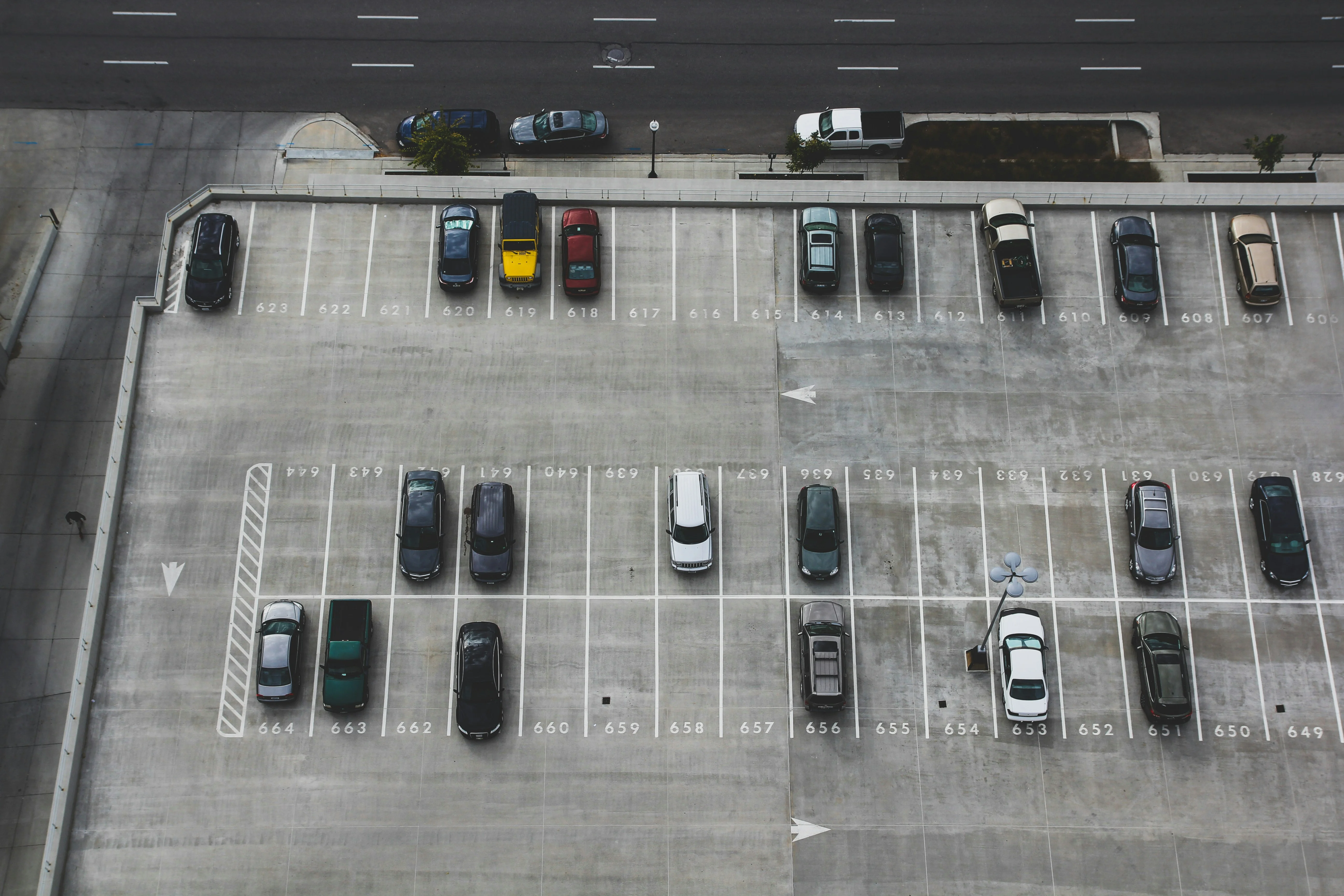
Computer vision and data analytics for urban parking management

Computer vision and data analytics for urban parking management

The DNS Testbed supported the development of four pilot products combining computer vision, edge computing and data analytics for urban parking monitoring and management.

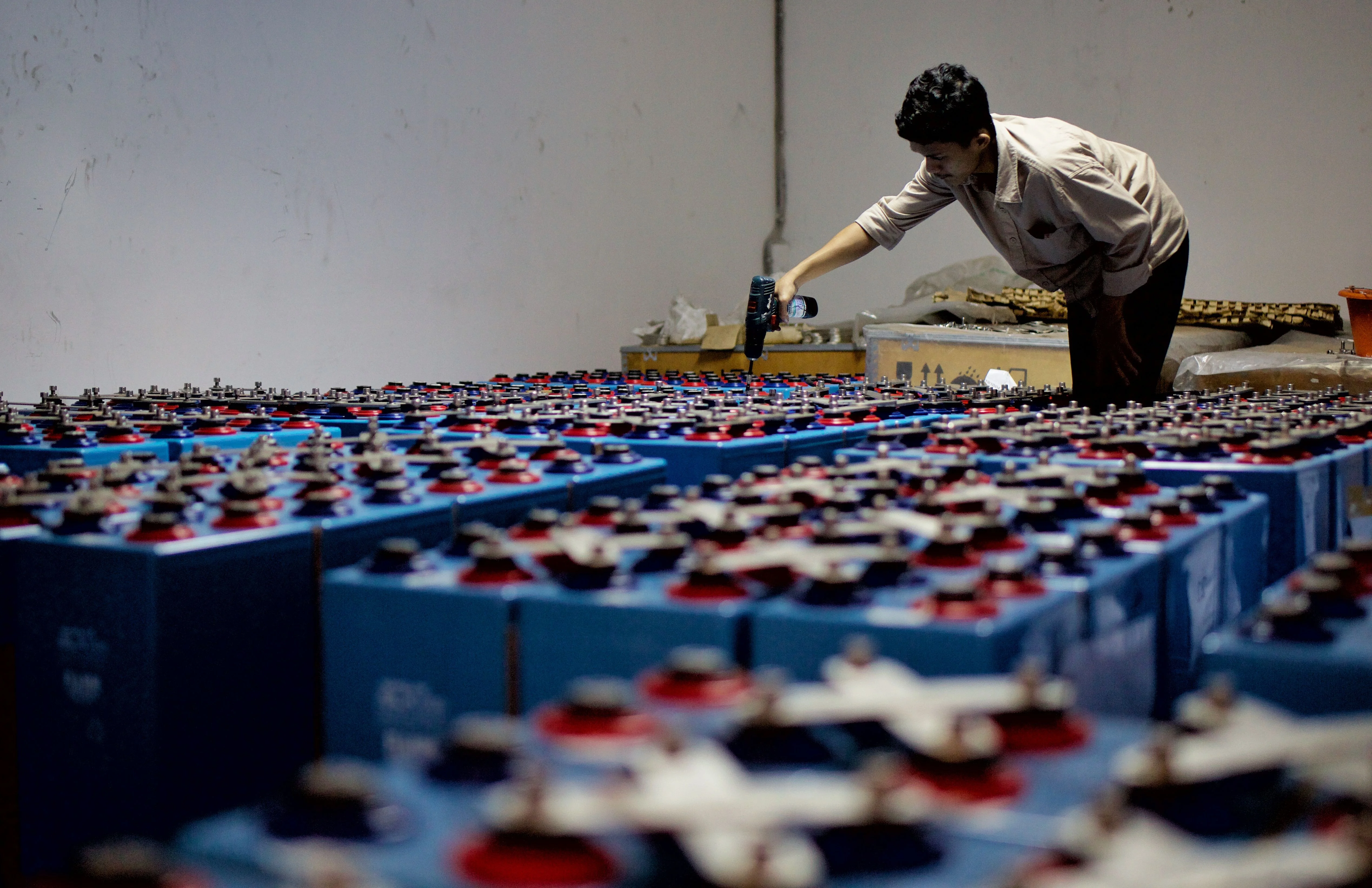
Secure battery monitoring through IoT

Secure battery monitoring through IoT

The DNS Testbed supported the development and validation of a battery monitoring solution integrating IoT technologies and authentication mechanisms to protect access to device-generated data.

Data-driven energy monitoring for urban infrastructure

Data-driven energy monitoring for urban infrastructure

The DNS Testbed supported a remote energy monitoring solution combining connected device data collection with interactive dashboards for analysing urban infrastructure energy consumption.

From tourism operations to reusable digital solutions

From tourism operations to reusable digital solutions

The DNS Testbed supported the transformation of nine tourism management tools into white-label digital solutions, promoting technology reuse across different operational contexts.

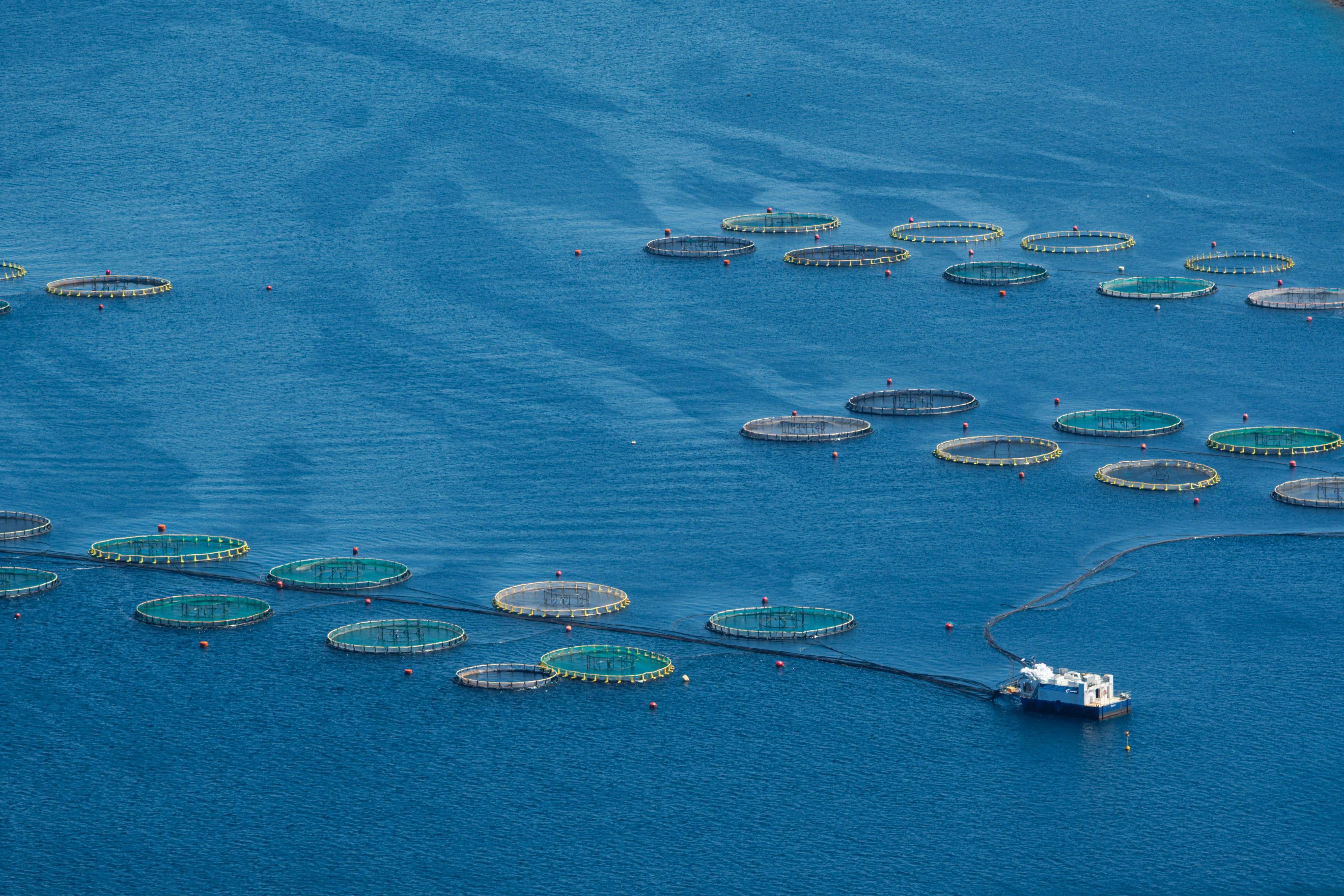
Computer vision for non-intrusive aquaculture monitoring

Computer vision for non-intrusive aquaculture monitoring

The DNS Testbed supported a solution combining computer vision, artificial intelligence and edge computing to automate shrimp counting and monitoring in aquaculture tanks without direct handling.

Artificial intelligence and edge computing for road traffic monitoring

Artificial intelligence and edge computing for road traffic monitoring

The DNS Testbed supported the development and validation of four pilot products combining artificial intelligence, computer vision and edge computing for road traffic monitoring.